


- Temperatures are getting hotter.
- Storms are becoming severe.
- Drought is occurring more frequently.
- Sea levels are rising.
- Forests are getting endangered.
These are just a few of the many adverse effects climate change is producing. While it’s impossible to fight them alone, you can play your part and adopt an eco-friendly lifestyle – by growing an indoor farm.
Most people want to do so, but the truth is, they don’t know where to start.
If you also belong to the same category, keep reading this article. We’re going to discuss essential indoor farming tips to help you get started.
Indoor Farming Ideas
There are a few common indoor farming ideas implemented by home growers around the world. They include:
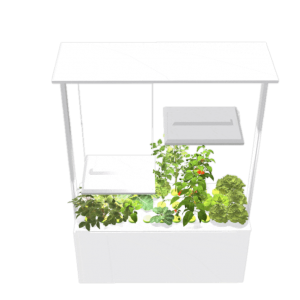
Vertical Gardening: Gardeners looking to utilize their space prefer using vertical gardening. As the name suggests, you stack multiple beds on top of each other like a tower. This helps you grow plenty of food while occupying little room.
Hydroponics: In a hydroponic system, plants are grown in a nutrient-rich solution. Light, temperature, moisture, and pH levels are some of the many elements they require. Consequently, you’ll get the healthiest and greenest crops you’ve ever seen.
Aeroponics: Often considered a type of hydroponics, an aeroponic system is a plant-growing technique that doesn’t use soil. However, instead of being submerged in water, the plant roots are suspended in air, where they receive the required nutrients through mist.
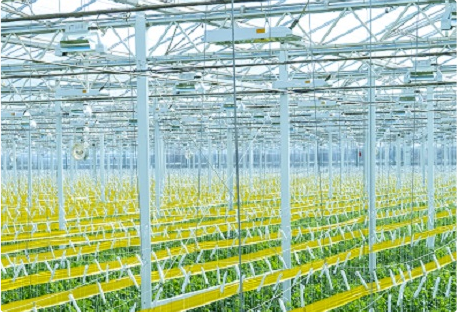
Greenhouse: Although a greenhouse isn’t exactly built inside a house, it’s considered an indoor space. It allows you to grow your favorite fruits and vegetables throughout the year without waiting for certain weather and temperature conditions.
Indoor Farming Tips
Now that you’ve understood the different types of indoor farming ideas, here are a few tips to keep in mind before trying any of the four modern agricultural technique:
- Leave Room for Plumbing
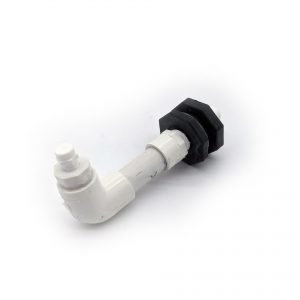
In an effort to maximize space, a common mistake most growers make is that they place as many plants as possible in one area. You should avoid doing this at all costs. Otherwise, your crops will suffocate and start dying one by one. So, make sure to leave some room for plumbing, air circulation, and cleaning.
- Use Bright LEDs/Lights
The importance of using bright LEDs to stimulate plant growth cannot be emphasized enough. Typically, plants grow with the help of sunlight. Since that’s not an option in an indoor farming system, you’ll have to depend on lights. But don’t place the bulbs too close to the plants because it might damage the leaves.
- Select The Right Plants
Just because indoor farming solutions are popular these days doesn’t mean they can grow all kinds of plants. It is suitable for some, but not all. For instance, growing large root vegetables would not be a good idea to grow aeroponically. Instead, go for climbing plants, like cucumber and tomatoes.
- Control The Environment
Plants need an optimum temperature to thrive. Too hot, and the leaves will dry. Too cold, and their cells will rupture. Therefore, remember to consider your plants’ specific requirements before choosing the appropriate levels for humidity, gases, and irrigation. In this way, your vegetables will be ready to harvest soon enough.
- Be Patient
All good things take time, which is why patience is an essential component of being an indoor farmer. The plants you’ve placed in your garden need time to produce flowers, vegetables, or fruits. And that means you have to nurture them at every growth stage, like taking care of a toddler as they’re growing up.
Indoor Farming Is the Future of Gardening
Well, we hope you know now what you need to start farming inside your house. It might take some time to reach the desired results, but the key is to remain consistent with your plants. If you’re for looking more information about which plants you can grow aeroponically, feel free to read our article ‘The Best Plants to Grow in Aeroponics by Levels.’

A WordPress Commenter
Hi, this is a comment.
To get started with moderating, editing, and deleting comments, please visit the Comments screen in the dashboard.
Commenter avatars come from Gravatar.